English ∨
 中文
中文
Tajikistan Posts 8% Q1 GDP Gain; China, Turkey and Europe Anchor Its External Trade Expansion
2026-06-06 16:55:24
55
Tajikistan’s National Committee for Statistics released the country’s Q1 2026 macroeconomic report at a government working conference recently. The nation’s GDP surged by 8% year-on-year in the first quarter, with positive growth across all industries. Multiple indicators including fixed-asset investment, industrial output and foreign trade posted double-digit increases, while economic and trade ties with China, Turkey and European economies have become a core driver of expanding external trade.
Breakdown by sector shows robust performance: industrial output rose 14% year-on-year to 16 billion Somoni, with manufacturing jumping 29.6% as the main growth engine and the power and natural gas sector climbing 7.5%. Agriculture grew by 8%, securing stable supplies of daily necessities and raw materials domestically. Fixed-asset investment soared 34% thanks to concentrated construction of large state-led infrastructure and energy projects, among which China-funded road, bridge and hydropower schemes were the key contributor to the investment boom. Freight volume and passenger traffic went up 14% and 11% respectively, alongside an 8.5% expansion in paid services, pointing to thriving domestic consumption and industrial circulation.
On the foreign trade front, Tajikistan’s total import and export volume advanced 12.8% year-on-year to USD 2.676 billion. China remains Tajikistan’s largest trading partner, accounting for 35.2% of its overall foreign trade; major traded goods include minerals, aluminum products and fruits & vegetables from Tajikistan versus Chinese mechanical & electrical products and infrastructure supplies. Trade with Turkey and European countries makes up a combined 29.1% of total foreign trade, with Turkey alone contributing 15.7%. Cross-border shipments of textiles and construction materials keep expanding via the Trans-Caspian International Transport Corridor.
Official data registers a Q1 trade deficit of USD 1.648 billion amid faster import growth than exports. According to the statistical authority, the launch of new China-Tajikistan border checkpoints and regular cross-border land transport between China and Turkey, plus access to China-Europe overland routes, will help the country optimize its trade mix, narrow the deficit via diversified markets in China, Turkey and Europe and underpin steady full-year economic growth.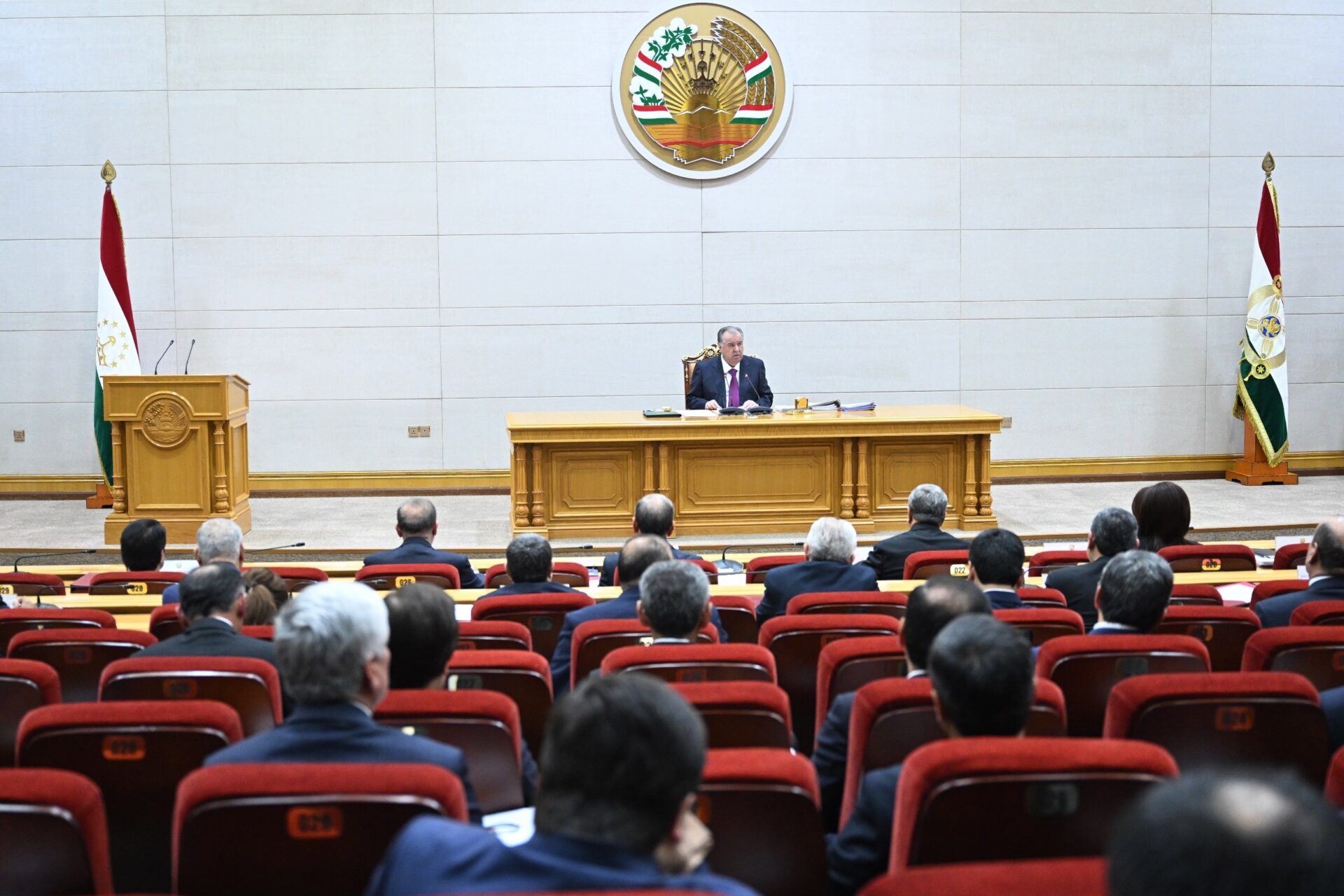
Last Article